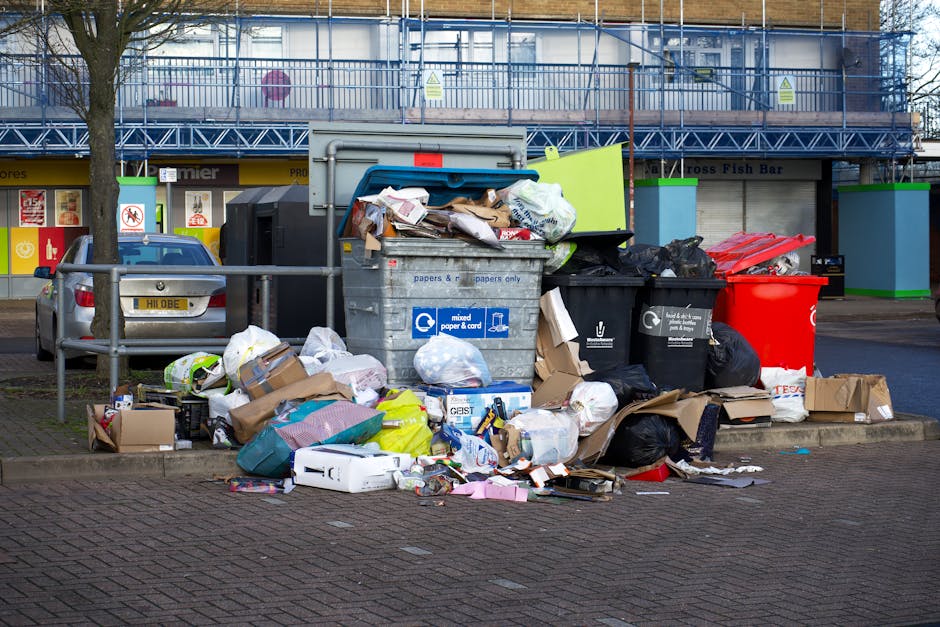
High Road Tottenham Garden Clearance and Waste Rules Explained
If you live or work near High Road Tottenham, garden clearance can feel straightforward right up until the waste bags start piling up. Then the questions arrive: what counts as green waste, what can be mixed in, where should bulky cuttings go, and how do you stay on the right side of local rules? This guide to High Road Tottenham garden clearance and waste rules explained walks you through the practical side of tidying a garden without creating a disposal headache.
Whether you are dealing with an overgrown back garden, a one-off clearance after a tenant move-out, or a regular reset before the growing season kicks in, the basics are the same: separate materials sensibly, avoid fly-tipping risks, and make sure the final load is handled properly. Truth be told, that last part is where many people get caught out.
In this article, you will find a clear breakdown of how garden clearance usually works, what types of waste need extra care, where local compliance matters, and how to plan the job efficiently. There is also a checklist, a comparison table, and a realistic example so you can see how it all fits together in real life.
- Why the rules matter in High Road Tottenham
- How garden clearance and waste handling work
- Key benefits and practical advantages
- Who this is for and when it makes sense
- Step-by-step guidance
- Expert tips for better results
- Common mistakes to avoid
- Tools, resources and recommendations
- Law, compliance, standards and best practice
- Options, methods and comparison table
- Case study or real-world example
- Practical checklist
- Conclusion
- Frequently asked questions
Why High Road Tottenham garden clearance and waste rules explained Matters
Garden clearance is not just a matter of filling a few sacks and hoping for the best. Around High Road Tottenham, where homes, flats, shared access routes and busy frontages are common, waste handling needs a bit of thought. The difference between a neat, compliant clearance and a messy one can come down to sorting materials properly and choosing the right disposal route.
Why does that matter so much? Because garden waste is often more varied than people expect. One corner of the garden may have hedge clippings and grass cuttings. Another may contain old timber, broken pots, soil, concrete edging, or even hidden items left behind under shrubs. Once different waste streams are mixed together, disposal becomes more expensive and more complicated. Simple enough in theory, annoying in practice.
It also matters because poor waste handling can create problems for neighbours and the wider area. Overflowing piles, loose debris, and bags left outside too long can attract complaints. In a tightly used urban street, that is the sort of thing people notice quickly. If you are also planning wider outdoor improvements, it often makes sense to pair clearance with garden maintenance or even broader services overview planning so the space does not slide straight back into clutter.
Practical takeaway: the cleaner your waste separation, the easier it is to clear the garden lawfully, reduce cost surprises, and avoid the classic "we found more than expected" moment halfway through the job.
There is also a safety angle. Wet leaves, hidden glass, thorny growth, and unstable piles of cuttings can make a garden clearance awkward fast. Anyone moving waste through a narrow side passage or shared path in Tottenham knows that one loose branch can turn a quick job into a very clumsy one. Been there, unfortunately.
How High Road Tottenham garden clearance and waste rules explained Works
At its simplest, garden clearance means removing unwanted organic material and outdoor debris so the space is usable again. The process usually starts with a walkthrough, followed by sorting, cutting back overgrowth, bagging or loading materials, and then transporting everything to an appropriate waste route. The exact approach depends on the size of the garden and what has built up over time.
In a typical High Road Tottenham setting, the main waste categories are:
- Green waste such as grass cuttings, leaves, hedge trimmings, small branches, and plant material.
- Mixed garden waste where green waste is combined with non-organic items like plastic planters, damaged fencing, or general rubbish.
- Heavy inert waste such as soil, rubble, paving offcuts, bricks, and broken concrete.
- Special care items such as treated timber, certain sharp materials, or anything contaminated.
These groups matter because they are not all treated the same way. Green waste is often the easiest to manage. Soil and rubble can be heavy enough to change the job entirely. And mixed waste? That is where time and cost can start to creep up.
A sensible clearance usually follows a simple sequence. First, remove anything obvious and bulky. Then cut back growth. After that, separate reusable or recyclable materials from the waste load. Finally, ensure the disposal method matches the waste type. If your garden has trees or tall shrubs that need reducing before clearance, the tree lopping and removal service can be a practical supporting step rather than trying to wrestle everything into one chaotic pile.
For many households, the easiest route is to treat clearance as a one-off reset and then move into lighter upkeep. That is where regular lawn mowing and hedge trimming can keep waste volumes manageable going forward. Small thing, big difference.
Key Benefits and Practical Advantages
When garden clearance is handled properly, the benefits show up quickly. The obvious one is space. A neglected patch can suddenly feel twice as large once the brambles, dead growth and stacked pots are gone. But there are other advantages too, and some are easy to miss at first.
- Safer access: paths, steps and edges become easier to move around.
- Better drainage: heavy leaf build-up and blocked corners stop trapping moisture.
- Cleaner presentation: useful if you are selling, letting, or just trying to breathe again when you look out the window.
- Lower risk of pests: dense organic waste can create shelter for unwanted visitors.
- Improved planning: once the clutter is gone, it is easier to see what should stay, what should be repaired, and what needs redesigning.
There is also a financial angle. Tidying and sorting waste properly can be cheaper than waiting until the garden becomes a much bigger mess. A gradual build-up often means more labour, more disposal volume, and more time spent discovering hidden material. To be fair, that last part is the bit nobody enjoys.
If the clearance is part of a wider outdoor refresh, it can make sense to view it alongside landscaping or landscape gardening. That way, you are not just clearing for the sake of clearing; you are clearing with a plan.
Who This Is For and When It Makes Sense
Garden clearance in High Road Tottenham is not just for neglected gardens. Different people need it for different reasons, and the trigger is not always dramatic. Sometimes it is simply a practical moment when the place has got away from you a little. Happens to the best of us.
This guide is especially useful if you are:
- a homeowner preparing for a seasonal tidy-up;
- a landlord or letting agent resetting a property between tenancies;
- a tenant with responsibility for an overgrown shared or private outdoor area;
- a family managing a garden that has become too much for weekend maintenance;
- someone planning planting, repairs, or a redesign after a period of neglect;
- a business or property manager keeping outdoor frontage presentable and safe.
It also makes sense after storms, long periods of absence, or when a garden has been used as a temporary storage area. One common scenario is a garden full of broken branch piles, old compost bags, and pots that have split in the frost. Another is a tidy space that has become clogged with climbing growth around fences and gates. The job looks modest from the outside, then you step in and realise it is a small jungle. Very on brand for London gardens, really.
If you are unsure whether your space needs clearance or ongoing upkeep, think about the end goal. If you mainly need everything removed and reset, clearance comes first. If the garden is basically fine but needs routine care, then garden maintenance may be the better fit.
Step-by-Step Guidance
Here is a straightforward way to approach garden clearance without making a meal of it.
- Walk the garden first. Identify green waste, heavy waste, and anything that might need separate handling. Look in corners, behind sheds, under hedges, and along fence lines.
- Remove obvious hazards. Broken glass, sharp scrap, nails, and unstable piles should be dealt with early. That keeps the rest of the work safer.
- Cut back overgrowth. Large brambles, hedges and tall weeds should be reduced in manageable sections rather than hacked at randomly. A calm approach saves time.
- Sort waste as you go. Put green material in one pile, heavy inert waste in another, and mixed rubbish separately. This is where the job either stays efficient or starts drifting.
- Bag or load by category. Keep like with like. Wet cuttings, soil, and timber do not behave the same in transit.
- Check access routes. In tight Tottenham gardens, the route out can matter as much as the clearance itself. Narrow side passages, shared alleyways and steps need planning.
- Dispose responsibly. Make sure the waste goes to an appropriate facility or collection route. Do not leave the final load sitting around "for later". Later has a funny way of becoming never.
A practical example: if you are clearing a back garden after months of leaf fall and hedge growth, you might start by stripping the surface debris, then reduce hedge trimmings, then separate old planting tubs from soil and stones. That order usually keeps the work moving. Reverse it, and you end up stepping over the same pile three times.
Expert Tips for Better Results
There are a few small habits that make garden clearance noticeably smoother. None of them are glamorous. All of them help.
- Work dry if you can. Wet cuttings and soaked soil are heavier, messier and harder to bag.
- Use the first pass to reveal hidden waste. Once the surface growth is gone, you often find old timber, cracked edging or buried household bits.
- Keep a separate pile for reusable material. Some items can be kept for future use, especially clean timber or intact pots.
- Do the difficult access first. If you have a narrow route, clear that before the main waste pile grows too large.
- Think beyond the clearance. If plants are overgrown because of a lack of routine care, set up a maintenance rhythm afterwards so the same problem does not return in six weeks.
One useful habit is to take a quick look at the garden from inside the house before and after the work. It sounds almost too simple, but the change is easier to judge from a window. You notice light, sightlines, and the feeling of the space. On a grey afternoon near High Road Tottenham, that can be a surprisingly satisfying moment.
If the clearance reveals structural outdoor jobs, it may be worth considering decking services or broader landscaping later, once the space is clean and measurable. Not every garden needs a rebuild, of course, but some do benefit from a proper reset.
Common Mistakes to Avoid
Most clearance problems come from haste, not bad intent. People want the job done quickly, and fair enough. The garden has probably been bugging them for weeks. But a rushed clear-out can create extra work or even a disposal issue.
- Mixing all waste together. This is the classic mistake. It makes disposal more awkward and can reduce recycling potential.
- Underestimating weight. Soil, wet leaves and rubble can become far heavier than they look in a pile.
- Ignoring hidden items. Old tools, broken ceramics, wiring, and garden chemicals can appear once the surface clutter is removed.
- Blocking access. If bags are stacked across a passage, even a tidy garden becomes hard to finish safely.
- Assuming all green waste is the same. Some materials may need different treatment if they are contaminated or mixed with non-organic items.
- Leaving the final load too long. Gardens are meant to be cleared, not used as a temporary depot. It sounds obvious, but it happens all the time.
Another subtle mistake is trying to do a clearance and a redesign at the exact same time. That can work for small jobs, but for larger spaces it often slows everything down. Clear first, then decide what the garden should become. It is just cleaner thinking.
Tools, Resources and Recommendations
You do not need a warehouse of equipment to handle a garden clearance, but the right tools make the work steadier and safer. The basics are usually enough for small projects. For larger or messier spaces, professional handling is often the saner option.
- Gloves: useful for thorny growth, damp waste and hidden rough edges.
- Pruning tools: ideal for cutting back shrubs and hedges before removal.
- Heavy-duty sacks or containers: better for mixed garden debris than flimsy bags.
- Wheelbarrow or garden trolley: makes repeated trips easier, especially with heavy material.
- Rake and broom: handy for final surface clearing and loose debris.
- Mask or dust protection: sensible where dry soil, mouldy debris or dusty material is present.
On the service side, it helps to choose a provider that explains disposal clearly, works safely, and has a sensible approach to recycling. You can learn more about the company's broader approach through the recycling and sustainability page, and if you want to understand working practices more fully, the insurance and safety information is worth a read too.
For anyone comparing service options, the pricing and quotes page is useful because it helps set expectations before work begins. That kind of transparency matters. Nobody enjoys surprise costs, especially on a job that already involves hauling wet branches in and out of a narrow London garden.
Law, Compliance, Standards, or Best Practice
Garden waste handling in the UK is shaped by a combination of environmental duty, waste responsibility, and common-sense handling standards. You do not need to become a legal specialist to stay compliant, but you do need to understand the basics.
The first point is simple: waste should be passed on responsibly. That means it should go to an appropriate disposal route, not dumped in an alley, not left on the kerb indefinitely, and not casually mixed into general rubbish if it belongs elsewhere. If someone else is taking the waste away, it is still wise to ask how it will be handled.
The second point is documentation and due care. In plain English, if you are using a contractor, you want confidence that they understand what they are carrying and where it is going. That does not mean every small domestic job needs paperwork drama. It does mean you should feel comfortable asking sensible questions.
Best practice usually includes:
- sorting garden waste from rubble and non-organic rubbish;
- keeping hazardous or awkward items separate;
- avoiding contamination of recyclable green waste;
- using safe lifting methods for heavy loads;
- protecting shared areas, paths and neighbours' access;
- choosing a provider that follows clear safety procedures.
If you want reassurance on service standards, a provider's public policies can be a useful signpost. The health and safety policy and terms and conditions pages are good places to understand how a company frames its responsibilities.
One more point, and it matters in urban areas: fly-tipping is not just a council problem; it becomes everyone's problem. If a waste pile is left where it should not be, the knock-on effect is usually frustration for neighbours, extra eyesore impact, and avoidable risk. Better to keep it clean from the start.
Options, Methods, or Comparison Table
There is more than one way to deal with garden clearance in High Road Tottenham. The right choice depends on the size of the job, how much waste is involved, and how confident you feel managing it yourself.
| Method | Best for | Advantages | Trade-offs |
|---|---|---|---|
| DIY clearance | Small, tidy gardens with mostly green waste | Flexible, hands-on, good for light jobs | Time-consuming, physically demanding, disposal still needs planning |
| Partial DIY with hired help | Jobs where you can sort and cut back, but need waste removed | Balanced approach, can reduce labour strain | Still requires you to manage some of the work |
| Full professional clearance | Overgrown, heavy, or mixed-waste gardens | Faster, safer, usually the least stressful option | Costs more than doing it yourself |
| Clearance plus maintenance plan | Gardens that keep drifting out of control | Helps prevent repeat build-up, more predictable upkeep | Needs ongoing commitment |
For many people, the sensible middle ground is not all-or-nothing. Clear the worst of the growth, then get support with the heavy waste and the follow-up maintenance. If the garden includes long-term planting beds, borders or hard landscaping ideas, a combined approach can save a lot of backtracking later.
Case Study or Real-World Example
A typical High Road Tottenham clearance might involve a small rear garden that has been left untouched through late autumn and winter. By the time someone opens the back door in early spring, the space has a low hedge line buried under clippings, a patch of grass that has gone thick and uneven, and a corner full of broken pots, damp leaves and a few forgotten items from a previous move.
The job starts with access. A narrow side path means waste has to come out in smaller loads rather than one oversized haul. The first stage is to clear the obvious organic build-up and trim back the hedge line so the rest of the garden can be seen properly. Once the surface debris is gone, the hidden issues appear: a rusted planter, some old timber, a pile of soil, and a cracked border piece that needs separate handling.
At that point, the waste is split into workable groups. Green waste is kept apart from the heavy material, and the mixed items are separated so the load is not needlessly complicated. The result is a garden that looks bigger, brighter and more usable within a single day. It is not magic. It is just tidy sequencing and a bit of patience.
The biggest lesson from examples like this? The earlier you sort, the easier the rest becomes. And if the space still needs a functional refresh after the clearance, the next sensible step is often a blend of garden maintenance and targeted improvements rather than letting the garden drift again.
Practical Checklist
Use this quick checklist before starting a garden clearance near High Road Tottenham.
- Walk the garden and identify all waste types.
- Separate green waste from rubble, timber and general rubbish.
- Check access routes, gates and side passages.
- Remove obvious hazards such as glass, nails or sharp scrap.
- Decide what can be reused, recycled or disposed of.
- Trim back overgrowth before handling bulky waste.
- Keep heavier material in manageable loads.
- Avoid blocking paths, neighbours' access, or front-of-property space.
- Confirm the disposal route is appropriate for each waste type.
- Plan follow-up maintenance so the garden stays under control.
If you can tick most of those items off before the job begins, things usually go far more smoothly. Not always perfectly. But smoothly enough, which is what most people want in the real world.
Conclusion
High Road Tottenham garden clearance is easiest to handle when you treat it as both a tidy-up and a waste-management job. The clearance itself matters, of course, but the rules around sorting, handling and disposal matter just as much. Once you understand which materials need separating and why access, safety and responsible disposal all play a role, the whole process becomes much less stressful.
The good news is that most problems are avoidable. A clear plan, a sensible sort, and the right approach to waste can turn an overwhelming outdoor mess into a clean, practical space again. Whether you are clearing a small back garden, preparing a rental property, or resetting a neglected patch, the main aim is the same: make the garden usable without making a waste problem elsewhere.
If you are weighing up your next step, have a look at the wider services overview and the practical support available through garden clearance. A good plan now can save a lot of mess later, and that is usually worth doing properly.
Get a free quote today and see how much you can save.
And once the space is clear, take a moment to enjoy it. Fresh air, open ground, a bit of daylight on clean paving - sometimes that simple reset is exactly what the garden needed.
Frequently Asked Questions
What counts as garden waste during a clearance?
Garden waste usually includes grass cuttings, hedge trimmings, leaves, branches, weeds, dead plants and other organic material. It can also include old pots, soil, rubble, timber and mixed outdoor rubbish if the garden has been used for storage.
Can I put all garden waste into one pile?
You can pile it together temporarily, but it is better to separate it before removal. Green waste, soil, rubble and mixed rubbish are often handled differently, and sorting them early makes disposal easier and usually cleaner.
Do I need professional help for a small garden clearance?
Not always. If the garden is small and the waste is mostly light green material, a DIY approach can work. If there is heavy soil, bulky branches, poor access or mixed waste, professional help is often the more practical choice.
What is the biggest mistake people make with garden clearance?
The most common mistake is mixing all waste together and underestimating how much of it there is. Once green waste, rubble and general rubbish are combined, the job becomes more awkward and less efficient.
How do I know whether waste is green waste or mixed waste?
If it is mainly plant material such as leaves, grass, clippings or branches, it is usually green waste. If it includes plastics, old furniture, broken fencing, packaging or other non-organic items, it becomes mixed waste and needs different handling.
Is soil counted as garden waste?
Soil is often treated separately from ordinary green waste because it is heavy and inert. The same applies to rubble, broken bricks and concrete. Those materials can change the disposal method and the overall effort required.
How can I keep clearance costs under control?
Sort waste carefully, reduce overgrowth before disposal, and avoid letting the garden build up for too long. Smaller, more regular clearances are usually easier to manage than one huge reset after months of neglect.
Should I clear the garden before maintenance starts?
Yes, if the garden is heavily overgrown or cluttered. Clearance creates a clean starting point, which makes maintenance much more effective. If you want that ongoing support, garden maintenance is the natural next step.
What should I ask a garden clearance provider?
Ask how waste is sorted, what they do with green waste, whether they can handle heavy or mixed material, and how they manage safety and access. It is also sensible to ask about pricing structure before the work begins.
Can garden clearance include hedge cutting and tree work?
Yes, sometimes. If the clearance needs branches reduced, hedges cut back or larger growth removed, those tasks may be handled alongside the clearance. In some cases, hedge trimming or tree lopping and removal is the better first step.
What happens if the garden has a lot of hidden rubbish?
That is quite common. Once overgrowth is removed, hidden rubbish often appears under shrubs, behind sheds or in corners. It is one reason why an initial walkthrough and careful sorting matter so much in the first place.
How do I make sure the work stays compliant?
Use responsible disposal routes, keep waste categories separate where possible, and choose a provider that works safely and transparently. Reading the company's health and safety policy and recycling and sustainability approach can help you judge that.
What is the best time of year for garden clearance?
There is no single perfect time, but many people clear gardens in early spring or after autumn leaf fall. The practical answer is simple: do it when the space has become hard to use, or before a larger maintenance phase begins.
Who should I contact if I want to discuss a clearance project?
If you are ready to plan the job, use the company's contact page to discuss the scope, access, waste type and timing. A short conversation at the start can prevent a lot of back-and-forth later on.