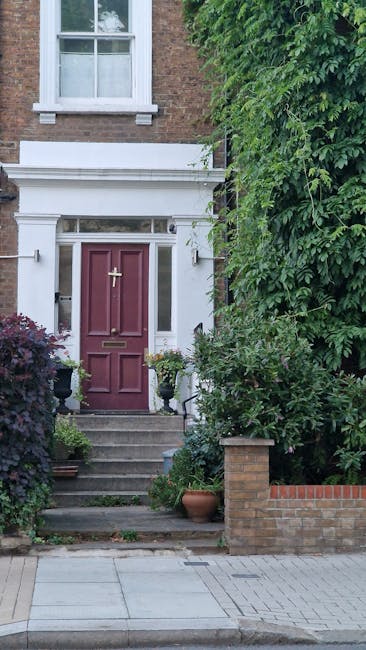
Tottenham Hale gardeners guide for small front gardens
If you are trying to make a small front garden in Tottenham Hale feel tidy, welcoming, and a bit more special, you are in the right place. A compact front space can be brilliant with the right plan, but it can also become a jumble of pots, tired paving, and plants that never quite fit. This Tottenham Hale gardeners guide for small front gardens pulls all of that into something workable: layout, planting, upkeep, budgeting, and the small details that make a frontage look cared for rather than crowded.
In practice, the best results usually come from keeping things simple. A narrow path, a couple of strong planting ideas, one or two easy focal points, and a maintenance routine that does not eat your weekends. Sounds obvious, perhaps. Yet it is exactly where many small front gardens go wrong.
Whether you want a softer welcome, better kerb appeal, more privacy, or just less mess by the door, this guide walks through the choices that matter most. And if you are already comparing professional help, you can also look at the broader garden services overview or read more about the team on the about us page.
Table of Contents
- Why small front gardens matter in Tottenham Hale
- How a small-front-garden plan works
- Key benefits and practical advantages
- Who this is for and when it makes sense
- Step-by-step guidance
- Expert tips for better results
- Common mistakes to avoid
- Tools, resources and recommendations
- Law, compliance, standards, or best practice
- Options, methods, or comparison table
- Case study or real-world example
- Practical checklist
- Conclusion
- Frequently asked questions
Why Tottenham Hale gardeners guide for small front gardens Matters
Small front gardens do a lot of quiet work. They are the first thing you see when you come home, the first impression visitors get, and often the bit of the property that can either look charming or feel slightly neglected by about Wednesday. In Tottenham Hale, where homes can sit close to the pavement and front spaces are often compact, the design has to earn its keep. Every plant, paving line, and container needs a purpose.
A well-thought-out front garden improves the look of the house without demanding huge space. That matters because small gardens do not forgive clutter. A single overgrown shrub can make the whole front feel tighter. A badly placed pot can block the path. Even a nice planting scheme can look messy if there is no structure behind it.
There is also a practical side. A neat frontage can make daily life easier: less mud near the door, better drainage where water tends to gather, clearer access for bins and deliveries, and a simpler routine for mowing, pruning, and sweeping. For many homeowners, that is the real win. Not a magazine look. Just a front garden that works.
And let's be honest, a small space can be a blessing. Less area means less to maintain, fewer materials to buy, and a more focused design. The trick is knowing what to leave out.
How Tottenham Hale gardeners guide for small front gardens Works
Think of small front garden design as a sequence rather than a shopping list. First comes the function: how you move through the space, where water goes, what needs screening, and what you want the garden to do visually. Then comes the layout: hard surfaces, beds, paths, edges, and the natural lines that make the space feel orderly. Only after that should planting be chosen.
In a compact Tottenham Hale frontage, the most effective approach is usually to keep the framework strong and the planting restrained. That does not mean boring. It means choosing a few plants that perform well, repeat well, and do not need constant rescuing. Good structure matters more than variety.
A sensible workflow often looks like this:
- Measure the usable space and note access points.
- Watch the light across the garden at different times of day.
- Identify problem spots such as compacted soil, poor drainage, or awkward steps.
- Decide how much of the space should be planting, paving, gravel, or lawn alternative.
- Choose a simple planting palette suited to sun, shade, and upkeep level.
- Set a maintenance rhythm so the garden stays presentable after the first tidy-up.
This is where many people get caught out. They begin with plant preferences before sorting the structure. That usually leads to a front garden that looks fine for a few weeks and then slowly slips out of control. Not a disaster, just annoying.
Key Benefits and Practical Advantages
A good small-front-garden plan brings benefits that go beyond appearance. The obvious one is kerb appeal, but there is more to it than that. A tidy, balanced frontage can make the home feel more finished, more cared for, and more in tune with the street.
Here are the main advantages:
- Better first impression: A clear layout and healthy planting make a property look looked after.
- Lower maintenance pressure: A simple planting structure is easier to prune, water, and keep neat.
- Improved usability: Paths, bins, gates, and doors remain easy to access.
- More character: Even a tiny garden can feel personal if the planting and materials suit the house.
- Better resilience: The right plants and surfaces cope better with London weather swings, foot traffic, and shade.
There is also a comfort benefit that people do not always mention. A front garden that works well tends to make the whole arrival experience calmer. You step out of the car or off the pavement and, instead of facing a patch of overgrowth or cracked paving, you get a small, inviting transition into the home. It is a little thing, but it matters.
For homeowners comparing whether to do it themselves or bring in help, it can be useful to review pricing and quotes alongside the service options. That gives you a clearer picture of scope, timing, and what a proper finish should include.
Who This Is For and When It Makes Sense
This guide is for anyone with a compact front garden in Tottenham Hale who wants practical improvement without overcomplicating things. That includes first-time homeowners, busy families, landlords, older residents who want lower upkeep, and anyone preparing a property for sale or rental. It also suits people who simply want the front of the house to stop looking tired.
It makes sense to tackle a small front garden when one or more of these apply:
- The garden looks cluttered even after you tidy it.
- Plants are too big for the space and keep leaning into the path.
- Weeds keep returning in paving joints or borders.
- Drainage is poor and the front feels muddy after rain.
- You want more privacy without creating a dark, enclosed look.
- You need a design that stays neat with limited ongoing effort.
Truth be told, small front gardens are often the easiest places to get quick wins. You do not need a huge redesign. Sometimes a better edge line, a reduced plant palette, and a cleaner surface treatment make the whole frontage feel newer.
If you are unsure where to start, a quick conversation with a local team can save time. The contact us page is the most direct route if you want to ask about a specific layout or ask what is realistic for your frontage.
Step-by-Step Guidance
Here is a practical way to approach a small front garden without making it feel like a project that drags on forever. Keep it straightforward. One step at a time.
1. Clear the space properly
Start by removing dead planting, self-seeded weeds, broken pots, cracked edging, and anything that no longer belongs. This sounds basic, but it changes the whole visual read of a small garden. Suddenly the space breathes again.
2. Map out the circulation
Where do people walk? Where do bins come out? Where does the door swing, if relevant? A small garden should never make movement feel awkward. If the route to the front door is narrow, it needs a clean edge and enough room for daily use.
3. Check light, soil, and drainage
Before planting, notice where the sun lands and where it does not. A shady north-facing front garden needs very different plants from a sunny south-facing one. If the soil stays wet, that matters too. Small spaces can dry out quickly in summer or become soggy after heavy rain, so pick accordingly.
4. Choose a simple structure
Good structure in a compact garden might mean a short path with neat edging, one main bed, a low hedge, or a pair of statement containers. It does not need to be elaborate. In fact, elaborate can backfire. The best designs usually feel almost quiet.
5. Select a limited plant palette
Pick a handful of plants that work together in height, texture, and maintenance needs. Repeating the same plants or the same shape more than once gives a small garden a much calmer look. One spiky plant, one soft mound, one evergreen structure piece. That kind of thing. Simple, but effective.
6. Finish with edges and surfaces
Edges are underrated. A tidy border line, a clean gravel finish, or a sharply cut path can make a front garden look intentionally designed. Small spaces reveal messy edges instantly, so this part matters more than people think.
7. Build in maintenance from day one
If the garden needs a major tidy every month just to look acceptable, the design is wrong. Choose materials and plants that match the level of care you can genuinely give. No shame in that. Most people are not running a showroom.
Expert Tips for Better Results
Small front gardens reward restraint. That is probably the biggest lesson. If you want the space to feel bigger, resist the urge to fill every gap. A little breathing room goes a long way.
Here are the tips that usually make the biggest difference:
- Repeat shapes and materials: A repeated planter style or a consistent edging material makes the space feel calm.
- Use evergreen structure: A few evergreen plants keep the garden looking alive through winter.
- Keep height under control near paths: Taller planting can work, but not where it swallows access or blocks sightlines.
- Choose plants for real conditions, not wishful thinking: Sunny planting in a shady front garden is a recipe for disappointment.
- Make one thing the focus: A door frame, small tree, feature pot, or clipped shrub can anchor the whole design.
A small humorous truth: front gardens have a way of exposing every lazy shortcut. Leave one border untended and it somehow looks like the whole street knows. Nature is rude like that.
If sustainability matters to you, it is worth asking how green waste is handled and whether materials can be reused or recycled. The recycling and sustainability information is useful if you want a more responsible approach, especially when clearing old planting or replacing tired materials.
Common Mistakes to Avoid
Most small front-garden problems are not dramatic mistakes. They are just a series of little decisions that add up. That is why the space can go from neat to chaotic faster than you expect.
- Over-planting: Too many species make the front look busy and smaller than it is.
- Choosing oversized shrubs: Large shrubs quickly dominate compact spaces and block windows or paths.
- Ignoring drainage: Water pooling near steps or paving can create slippery patches and long-term wear.
- Using too many pot sizes: Mixed-up containers often look accidental rather than designed.
- Forgetting seasonal change: A garden that looks good in June but bare in January has only done half the job.
- Letting edges drift: Soft or ragged edges make small gardens look untidy very quickly.
One mistake we see often is treating a front garden like a back garden in miniature. It is not the same. The front space needs to work harder visually, stay clearer, and usually cope with more public exposure. It is, in effect, on show whether you want that or not.
Tools, Resources and Recommendations
You do not need a van full of specialist equipment to improve a small front garden, but the right tools make the job smoother. For light maintenance, a hand fork, secateurs, edging tool, broom, and watering can may be enough. For heavier work, you may need a spade, pruning saw, wheelbarrow, and proper protective gloves. Nothing glamorous. Just the basics done well.
Useful practical considerations include:
- Soil improver or compost: Helpful if the soil is tired, compacted, or thin.
- Mulch: Reduces weeds and helps retain moisture, especially in small beds.
- Gravel or decorative aggregate: Can create a neat low-maintenance finish if drainage and edging are sorted first.
- Simple irrigation approach: Even basic watering routines help newly planted front gardens establish properly.
- Quality edging: Often the difference between "finished" and "nearly there".
For homeowners who want a broader service package, it can help to explore services overview before deciding whether you need one-off tidy-up work, regular maintenance, or a more complete redesign. And if you want to understand the business side clearly, terms and conditions and payment and security are worth a quick read too. Not thrilling, admittedly, but sensible.
Law, Compliance, Standards, or Best Practice
For most small front gardens, there is no complicated legal process involved in basic planting, tidying, or routine maintenance. Even so, good practice still matters. If work affects boundary features, drainage, shared access, or front boundary walls, it is wise to proceed carefully and check ownership or responsibility before changing anything major.
In a London setting, a few common-sense standards apply:
- Keep access safe: Paths should remain clear, stable, and not overly slippery.
- Manage waste responsibly: Green waste and removed materials should be handled properly.
- Consider neighbour sightlines: Hedges and planting should not create avoidable issues at entrances or shared boundaries.
- Use safe working methods: Tools, ladders, and heavy lifting need proper care.
If you are hiring help, it is sensible to ask about insurance, safety procedures, and how the work will be carried out on site. A professional should be able to explain this clearly without making it sound like a bureaucratic maze. You can review health and safety policy and insurance and safety details if you want reassurance about working practices.
There is also a wider trust angle. Clear policies around privacy, accessibility, and complaints are a good sign that a company takes customers seriously. If you value that sort of transparency, the related pages are available here: privacy policy, accessibility statement, and complaints procedure.
Options, Methods, or Comparison Table
For a small front garden, there are usually three sensible approaches. The right one depends on how much upkeep you want, how the house is used, and how bold you want the result to feel.
| Method | Best for | Pros | Watch-outs |
|---|---|---|---|
| Simple planting border | Homeowners wanting a softer, greener look | Natural feel, good seasonal interest, flexible budget | Needs regular pruning and weed control |
| Low-maintenance gravel and pots | Busy households and rental properties | Clean look, easier upkeep, strong structure | Needs good edging and can look sparse if under-planted |
| Mixed hardscape and evergreen planting | Front gardens needing year-round presence | Balanced, tidy, durable, often best for small spaces | Can cost more upfront and needs careful layout |
In many cases, the mixed approach is the sweet spot. A little planting, a little structure, not too much of either. It gives you something that feels alive without becoming work-heavy. That said, if you hate fussing over plants, the gravel-and-pots route may suit you better. Honest answer: the best garden is the one you will actually keep up.
Case Study or Real-World Example
Here is a realistic scenario. A Tottenham Hale terraced home has a narrow front plot, a short path, one tired shrub, a patch of patchy soil, and a couple of cracked containers that have seen better days. The owners want it to look neat, but they do not want a high-maintenance border that needs constant attention.
The approach is straightforward:
- Remove the oversized shrub and clear the dead material.
- Redefine the path edge so it reads cleanly from the pavement.
- Introduce a compact evergreen feature plant near the doorway for year-round structure.
- Add two matching pots for symmetry and seasonal planting.
- Mulch the remaining bed so weeds are easier to manage.
The result is not dramatic in the flashy sense. It is better than that. The front now looks calm, intentional, and easy to look after. The house feels more open from the street, and the owners no longer face the weekly little battle of trying to tame an overgrown entrance on a Sunday morning. Small improvement, big relief.
That is the kind of change most people actually want. Something sensible. Something that lasts.
Practical Checklist
Use this checklist before you start, or before you bring in a gardener:
- Measure the space and note the usable width of the path.
- Check where the sun falls during the day.
- Look for drainage issues or soggy patches.
- Remove dead plants, litter, and broken materials.
- Decide whether the garden needs privacy, colour, structure, or all three.
- Choose a planting style that matches how much upkeep you want.
- Keep materials and container styles consistent.
- Leave enough room for doors, bins, and day-to-day access.
- Plan how waste will be cleared away responsibly.
- Set a simple maintenance routine before the job is finished.
Key takeaway: the most successful small front gardens are not the busiest ones. They are the clearest. Once the structure is right, the planting can do its job properly.
Conclusion
A small front garden in Tottenham Hale can do far more than it first appears. With the right balance of layout, planting, and upkeep, it can make a home feel neater, warmer, and more settled from the street. The real trick is to keep the design honest to the space. Do less, but do it well. That usually wins.
If you are deciding between a quick tidy-up and a more thoughtful redesign, start by asking what the garden needs to do every day. Once you know that, the rest becomes easier. And in a compact front space, clarity is everything.
Get a free quote today and see how much you can save.
If you would like to discuss your front garden, compare options, or ask what is realistic for your property, visit the contact page and take the next step at your own pace. A small garden can be surprisingly uplifting when it finally feels under control.
Frequently Asked Questions
What is the best style for a small front garden in Tottenham Hale?
The best style is usually a simple, structured one with limited plant varieties, clear edges, and enough open space to avoid visual clutter. A mixed approach with evergreens and a few seasonal plants often works well.
How do I make a small front garden look bigger?
Use repetition, clean lines, and a limited colour palette. Avoid overcrowding, keep paths clear, and choose plants that fit the scale of the space. A tidy edge often makes more difference than people expect.
What plants are easiest to maintain in a small front garden?
Low-maintenance evergreens, compact shrubs, and tough perennials are usually the safest choice. The exact plants should match your light and soil conditions, because a plant that loves shade will struggle in full sun, and vice versa.
How often should a small front garden be maintained?
Light maintenance every couple of weeks is usually enough for a well-planned small garden, with more frequent attention during peak growing seasons. It depends on how fast your planting grows and how tidy you want it to stay.
Is gravel a good idea for a small front garden?
It can be, especially if you want a low-maintenance finish. Gravel works best when edges are well defined and the planting is still strong enough to keep the garden from feeling bare.
Should I choose pots or planted borders?
Pots are flexible and easy to change, while planted borders often feel more integrated and natural. Many front gardens benefit from a mix of both, especially where space is tight.
What should I avoid in a narrow front garden?
Avoid oversized shrubs, too many different materials, and anything that blocks the path or doorway. In narrow spaces, the biggest mistake is trying to fit in too much.
Can a gardener help with redesign as well as maintenance?
Yes, many gardeners can help with both. Some jobs are just tidy-ups, while others need a fuller plan involving layout, planting, edging, and ongoing maintenance. It is worth discussing the scope upfront.
How do I know if my front garden has drainage problems?
If water pools after rain, the soil stays waterlogged, or paving remains damp for a long time, drainage may need attention. A small garden with compacted soil can run into these issues fairly easily.
Do I need permission to change my front garden?
Most routine gardening changes do not need permission, but bigger alterations involving boundaries, drainage, or access should be checked carefully. If anything affects shared responsibility, it is best to confirm before work begins.
What is the most cost-effective way to improve a small front garden?
Usually the most cost-effective route is clearing, reshaping, mulching, and replanting carefully rather than replacing everything at once. A focused refresh often delivers more impact than a full overhaul.
How do I choose a trustworthy local gardening service?
Look for clear service information, transparent pricing, sensible safety practices, and straightforward communication. The pages on about us, health and safety policy, and pricing and quotes can help you judge whether a service feels well organised and trustworthy.