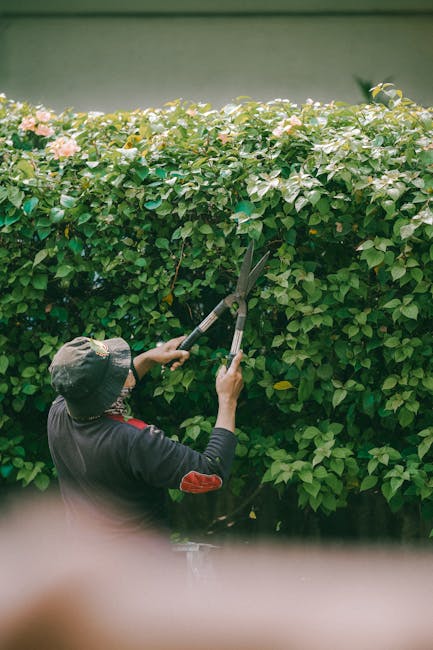
White Hart Lane gardeners same day visits and emergency cuts: a practical guide for urgent garden help
If your garden has suddenly got out of hand, or a storm has left you with broken branches, bent hedges, and a mess you did not ask for, White Hart Lane gardeners same day visits and emergency cuts can be a very sensible next move. Sometimes it is not about a full redesign or a long maintenance plan. It is about getting things safe, tidy, and usable again today. That might mean cutting back an overgrown hedge before it blocks a path, clearing debris after heavy wind, or restoring a front garden that has become awkward, messy, or simply embarrassing overnight.
In White Hart Lane, urgent garden work often sits somewhere between practical maintenance and a mini emergency response. The job needs to be done quickly, but also carefully. A rushed cut can leave plants damaged, surfaces scratched, or waste scattered everywhere. A good same day visit should feel calm, organised, and straightforward, even if the situation itself is a bit chaotic. Below, we break down how the service works, what to expect, when it makes sense, and how to avoid common mistakes that can turn a quick fix into another headache.
Why White Hart Lane gardeners same day visits and emergency cuts Matters
Urgent gardening is rarely about vanity. More often, it is about timing, access, safety, and getting your outdoor space back under control before the problem spreads. A hedge leaning into a pavement, a tree branch hanging low over a driveway, or an overgrown front garden can all become more than an eyesore. They can block access, create trip hazards, or make everyday life awkward in a way that is hard to ignore once you notice it.
White Hart Lane has plenty of homes where outdoor space is not huge, so small problems can feel bigger than they would in a larger garden. One overgrown shrub can swallow a path. One failed pruning job can make a front boundary look untidy for weeks. And if you are trying to get a property ready for visitors, tenants, a sale, or just the weekend, waiting around for a routine appointment may not be realistic. That is where same day garden visits earn their keep.
To be fair, not every garden issue is an emergency. But when the weather turns rough, when a hedge has shot up fast, or when a garden has been left unmanaged for too long, quick intervention can stop a smaller issue becoming a bigger one. It also helps restore confidence. You can open the curtains the next morning and think, right, that is better.
Expert summary: Same day garden work is most valuable when speed, safety, and presentation matter at once. The best outcome is not just a quick cut; it is a tidy, sensible fix that leaves the garden stable and manageable.
How White Hart Lane gardeners same day visits and emergency cuts Works
The process is usually simpler than people expect. You contact the gardener, describe the issue, share a few photos if possible, and explain how urgent the job is. That first conversation matters a lot. A hedge that just needs shaping is very different from a wind-damaged tree limb hanging over a shared path. The more clearly you explain the problem, the easier it is to match the right visit, tools, and time window.
Same day work often focuses on one of three outcomes: make the area safe, improve access, or restore visual order. In other words, the priority is not always perfect landscaping. Sometimes it is a controlled emergency cut that removes risk and buys you time to plan a fuller tidy-up later. That is a smart approach, actually. It keeps the job realistic.
A good urgent visit normally follows this pattern:
- Initial assessment - the gardener checks what needs cutting, what can wait, and whether there are any obvious hazards.
- Priority cutting - the main problem areas are tackled first, such as obstructive growth, broken branches, or unsafe overhang.
- Waste control - cuttings are gathered as work progresses rather than left to build up into a second job.
- Finishing pass - edges are neatened, debris is removed, and access points are left clear.
- Advice for next steps - you are told what still needs attention, if anything, and whether a follow-up visit would help.
In practice, the day may feel brisk. A van pulls up, tools come out, and within minutes the garden starts looking less wild. The best teams work with a calm rhythm. No fuss, no drama. Just steady progress.
Key Benefits and Practical Advantages
There are a few obvious benefits, but the practical ones matter most.
- Fast relief from an urgent problem. You do not have to spend the whole week worrying about an overgrown or damaged garden.
- Improved safety. Clearing obstructive growth and broken material can reduce trip hazards and blocked access.
- Better first impressions. If guests, buyers, tenants, or tradespeople are due, a quick cut can make the place look sorted again.
- Less chance of further damage. Prompt pruning can stop branches rubbing, snapping, or pressing on fences and walls.
- More workable follow-up care. Once the worst is removed, longer-term maintenance becomes much easier to manage.
There is also a quieter benefit people sometimes overlook: peace of mind. A messy garden has a way of sitting in the back of your mind. It nags. It is strange, but true. Once the urgent part is handled, the whole home can feel a little lighter.
If you are already thinking beyond the emergency, it may be worth looking at broader garden maintenance to stop the same issue returning too soon. For some properties, a one-off response is enough. For others, the real fix is a short run of planned attention after the first cut.
Who This Is For and When It Makes Sense
Same day garden visits are not for everyone, and that is fine. But they make strong sense if you are dealing with any of the following:
- branches or hedging blocking a pathway, driveway, or entrance
- fast-growing growth creating privacy or access problems
- storm damage needing prompt clearing
- a front garden that has become untidy before a viewing or visit
- rental property issues that need a quick turnaround
- an elderly resident or busy household that cannot wait for a standard appointment
- shared boundary growth causing immediate friction with neighbours
It can also be useful for people preparing for estate agents, builders, decorators, or family events. You might only need one compact visit. There is no shame in that. Gardens move through seasons and crises, and sometimes you just need the middle ground between "do nothing" and "full redesign".
For bigger overgrowth, tangled waste, or spaces that need a complete reset, garden clearance may be the more appropriate route. That is especially true if the issue is not just cutting, but removing a lot of material and starting fresh.
Step-by-Step Guidance
If you are arranging an urgent visit, the process is smoother when you approach it in order. Here is a simple framework.
- Identify the real problem. Is it overgrowth, damage, blocked access, or a combination? Be clear with yourself first.
- Take a few photos in daylight. Morning light helps. The gardener can judge height, spread, and access more accurately. Evening shadows do nobody any favours.
- State the deadline. Same day, before school pickup, before a landlord inspection, before weekend guests - say it plainly.
- Point out hazards. Loose paving, hidden cables, unstable branches, or waterlogged ground should all be mentioned.
- Ask what the visit will include. Will the team cut, tidy, bag waste, and remove debris? Or is it a trim-only visit?
- Make access easy. Unlock gates, move cars if needed, and clear a path to the problem area.
- Confirm follow-up options. If the garden needs more work later, ask what the sensible next stage would be.
That last point is worth pausing on. A quick emergency cut is not always meant to solve everything. Sometimes it is the first layer of recovery. A sensible gardener will say so clearly, rather than pretending one rushed hour can fix three months of growth. Honest advice goes a long way.
If the issue is mainly a hedge that has gone wild, a targeted hedge trimming visit may be the most efficient solution. If the lawn is part of the problem as well, then a combined approach with lawn mowing can restore the whole front or back garden in one sweep.
Expert Tips for Better Results
Small details make a big difference in urgent work. Here are the habits that usually lead to better results.
- Prioritise visible risk first. If a branch is threatening a path, a door, or a boundary, deal with that before shaping the rest.
- Keep the cut proportionate. Emergency work should be neat but controlled. Hard, aggressive cuts can leave plants looking battered or stressed.
- Think in layers. Remove the worst growth first, then refine. It is faster and usually safer.
- Ask about waste handling. Some jobs are simple cut-and-clear; others produce more waste than expected. Better to know upfront.
- Leave room for recovery. If a shrub or hedge has been neglected, a staged trim may look better over time than one severe cut.
One real-world observation: people often ask for "just a quick trim" and then discover the problem is actually access, not appearance. A front gate that sticks because the hedge has pressed into it. A side passage narrowed by ivy. A path made slippery by clippings that were never cleared. These are the little things that make a garden feel difficult. The fix is usually simple once you name the actual issue.
Where branches are involved, especially larger or awkward ones, it can be worth exploring tree lopping and removal instead of treating the job like standard trimming. Different problem, different approach.
Common Mistakes to Avoid
Urgency makes people cut corners. Understandable, but not ideal. These are the mistakes that crop up most often.
- Being vague about the problem. "The garden is a mess" is less helpful than "the hedge is blocking the path and there are broken branches by the shed".
- Assuming every job is the same. Emergency cuts, hedge work, clearance, and lawn work are related but not identical.
- Leaving access until the last minute. Locked gates and parked cars can slow everything down. Not a disaster, just annoying.
- Expecting a full makeover from a same day visit. Quick help is often focused help. That is the point.
- Ignoring the cause. If hedges, trees, or lawn edges keep growing back fast, a one-off visit may not be enough.
- Forgetting about waste. A tidy cut is only half the job if cuttings remain piled up at the end.
Let's face it, nobody wants to spend money twice because the first visit was underspecified. A little clarity at the start saves a lot of hassle later. Sometimes the difference between a smooth job and a messy one is just five minutes of better briefing.
Tools, Resources and Recommendations
You do not need to be a gardening expert to prepare well for an urgent visit, but a few basics help. Good same day garden work typically relies on sharp cutting tools, safe ladders where appropriate, strong gloves, waste bags or containers, and the right protective gear for the job. The exact kit depends on the size of the garden and the type of growth involved.
For you as a customer, the best "resource" is often a clear set of priorities. Decide what matters most: safety, access, appearance, neighbour relations, or all four. If the answer is all four, say that. It helps the gardener work in the right order.
It is also useful to think about the wider condition of the property. For example, if the garden is becoming hard to manage because paths, boundaries, or levels are all competing for attention, then landscaping or landscape gardening may be worth discussing after the urgent work is complete.
And if the space includes decking or a surface that has become slippery or cluttered, it may be sensible to review decking services as part of a broader tidy-up plan. Not every garden problem is green, after all.
For ongoing upkeep and cleaner seasonal routines, the site's services overview can help you understand how one-off urgent work fits alongside longer-term care.
Law, Compliance, Standards, or Best Practice
With urgent garden work, the key point is simple: safety and reasonable care matter. In the UK, gardeners and property owners both have a responsibility to avoid unnecessary risk. That does not mean every job is heavily regulated in the same way, but it does mean the work should be approached sensibly, especially where ladders, power tools, sharp blades, unstable branches, or shared access routes are involved.
Best practice usually includes:
- working with suitable protective equipment
- checking access before starting
- being careful around fences, walls, vehicles, and glass
- keeping pathways clear while work is underway where possible
- disposing of waste responsibly
- being clear about what is and is not included in the visit
If a tree or large branch looks unstable, the right response is caution rather than speed for speed's sake. Same day help is useful, yes, but it should not become reckless help. A steady professional will know when a quick cut is suitable and when a larger intervention is safer.
It is also sensible to check that the company works in line with basic business standards and customer protections. Pages such as insurance and safety, health and safety policy, payment and security, and terms and conditions can help set expectations before work starts. If you ever need to understand how a service handles feedback, the complaints procedure and about us pages are useful trust signals too.
That may sound a bit formal for a garden job, but honestly, it is reassuring. You want the hedge cut, yes. You also want to know the work will be handled properly.
Options, Methods, or Comparison Table
Not every urgent garden issue needs the same response. Here is a simple comparison to help you choose the right type of visit.
| Option | Best for | Typical outcome | What to watch for |
|---|---|---|---|
| Same day visit | Immediate tidy-ups, access issues, sudden overgrowth, visible damage | Quick relief, safer access, better presentation | May focus on essentials rather than detailed shaping |
| Emergency cut | Broken, leaning, or obstructive growth that needs prompt action | Problem area reduced quickly and made manageable | Not always the right choice for delicate plants or major tree work |
| Garden clearance | Heavy build-up, waste removal, neglected spaces | Space cleared and reset | Can be more involved than a simple cut |
| Planned maintenance | Regular trimming, mowing, and upkeep | Garden stays tidy more consistently | Does not solve a sudden issue fast enough on its own |
If you are deciding between a one-off cut and more regular care, the honest answer is usually this: tackle the urgent problem first, then look at maintenance once the pressure is off. That sequence tends to work best.
Case Study or Real-World Example
Picture a typical late-afternoon call in White Hart Lane. A front hedge has grown across the pavement after a stretch of damp weather, a few branches are hanging low, and the owner needs the property to look respectable before visitors arrive the next day. It is not a disaster, but it has become one of those situations that quietly gets worse every hour.
A same day visit in that scenario would usually start with the most practical task: clear the obstruction, remove the awkward growth, and gather the cuttings as the work goes on. If there are broken limbs or dense sections, those are handled first. The aim is to restore order and make the entrance feel open again. Not perfect. Just better, safe, and neat enough for immediate use.
By the end of the visit, the owner no longer has to think about whether the path is passable or whether the front of the house looks neglected. That sort of relief sounds small until you are the one who needed it. Then it matters quite a lot.
In some cases, the follow-up might involve a more detailed tidy-up with garden maintenance or a broader tidy through garden clearance. The right next step depends on how far the garden has slipped, and how quickly it needs to recover.
Practical Checklist
Use this quick checklist before the visit, or while you are deciding whether to book one.
- Have I identified the exact problem area?
- Do I need the garden made safe, tidy, or both?
- Have I taken clear photos in daylight?
- Is there a specific deadline today?
- Have I mentioned any hazards, pets, gates, or access issues?
- Do I know whether waste removal is included?
- Have I asked whether this is a cut-only job or a broader tidy-up?
- Do I want follow-up maintenance after the urgent work?
- Is the work likely to involve trees, heavy branches, or awkward height?
- Have I checked the company's relevant policy pages and service details?
If you can tick most of those off, the visit is much more likely to go smoothly. It is a boring kind of success, but a very useful one.
Get a free quote today and see how much you can save.
Conclusion
White Hart Lane gardeners same day visits and emergency cuts are at their best when the job is urgent, practical, and clearly defined. They help when a garden has become unsafe, awkward, or visibly out of control and you need a steady fix without waiting days for relief. The key is to treat the visit as a focused response, not a vague miracle. Say what matters, show what needs attention, and choose the level of work that matches the actual problem.
That way, you get a garden that feels manageable again, not just temporarily patched up. And in a busy London week, that can make a bigger difference than you might expect. A tidy path, a clear entrance, a hedge that no longer leans into your space - simple things, really, but they change the feel of home.
If the situation feels urgent, take the first sensible step today. The sooner the problem is named, the sooner it stops sitting there bothering you in the background.
Frequently Asked Questions
What counts as an emergency garden cut?
An emergency garden cut usually means work that needs doing quickly because it affects safety, access, or immediate presentation. Common examples include broken branches, obstructive hedges, or sudden storm damage.
Can I get a same day garden visit in White Hart Lane?
Often, yes, if the gardener has availability and the job is clearly described. Same day visits are easiest to arrange when you provide photos, location details, and a short explanation of the issue.
What should I send when I request urgent garden help?
Send a few clear photos, your address, the access details, and a short description of what needs cutting or clearing. Mention any deadline, like a viewing, inspection, or visit from family.
Is a same day visit the same as full garden maintenance?
No. A same day visit is usually focused on solving a specific urgent problem. Full garden maintenance is broader and better suited to regular upkeep over time.
Will the gardener remove the waste as well?
That depends on the service offered. Some visits include waste removal and tidying, while others focus mainly on cutting. It is always worth asking before the job starts.
What if the problem is a tree or large branch?
If the issue involves larger branches, hanging limbs, or awkward height, it may need a more specialised approach than standard trimming. In those cases, tree-related work can be the safer option.
How do I know whether I need hedge trimming or garden clearance?
If the main issue is shaped growth that needs cutting back, hedge trimming may be enough. If the space is heavily cluttered, overgrown, or full of waste, garden clearance is often the better fit.
Are same day garden visits more expensive?
They can be, depending on urgency, access, the size of the job, and how much labour or waste handling is involved. A clear quote is the best way to understand the cost before proceeding.
What happens if the garden is too overgrown for one visit?
That is fairly common. The first visit can focus on the worst areas, then a follow-up appointment can complete the rest. Sometimes that staged approach gives the best result anyway.
Is it safe to ask for urgent pruning after bad weather?
Yes, but caution matters. If branches are unstable or the area looks risky, a responsible gardener will assess the situation before cutting. Speed should never override safety.
Can a same day visit help before a property viewing or tenant move-in?
Absolutely. That is one of the most common reasons people book urgent garden work. A quick tidy can improve the first impression and make access much easier.
How do I prepare my garden for the visit?
Unlock gates, move vehicles if needed, and clear away anything you do not want disturbed. If you have pets, keep them secure. A little prep makes the whole visit quicker and calmer.
What if I only need a small cut, not a full job?
That is fine. Not every call-out needs to be large. A good gardener should be able to handle a targeted cut if that is all you need, without pushing for extra work.
Where can I check service details before booking?
It helps to review the provider's services overview, along with practical pages such as pricing and quotes and contact us so you know what to expect and how to move forward.